Social Casinos: The Rise of Free-to-Play Gaming & Virtual Wins
Step aside traditional casinos, there’s a new game in town – social casinos are exploding in popularity. These aren’t your typical high-stakes gambling dens; instead, they offer a completely free-to-play experience centered around social engagement. Forget forking over your hard-earned cash just for the thrill of the spin; social casinos let you dive headfirst into the world of online gaming without spending a dime.
Fueled by the growing trend of online gaming and the allure of casino games, social casinos have carved out a significant niche. But what exactly makes them so captivating? This isn’t just about playing slots or poker; it’s about connecting with friends, competing on leaderboards, and experiencing the thrill of winning (virtual) prizes. We’re diving deep into the mechanics that make social casinos tick, uncovering the reasons behind their meteoric rise and exploring the broader impact on the gaming landscape.
What Are Social Casinos?: Defining the Landscape
Social casinos offer a different way to experience the thrill of casino games online. Unlike traditional online gambling platforms, the core of social casinos revolves around a free-to-play model. Instead of wagering real money, players use virtual currencies, often called “coins” or “tokens,” to play games.
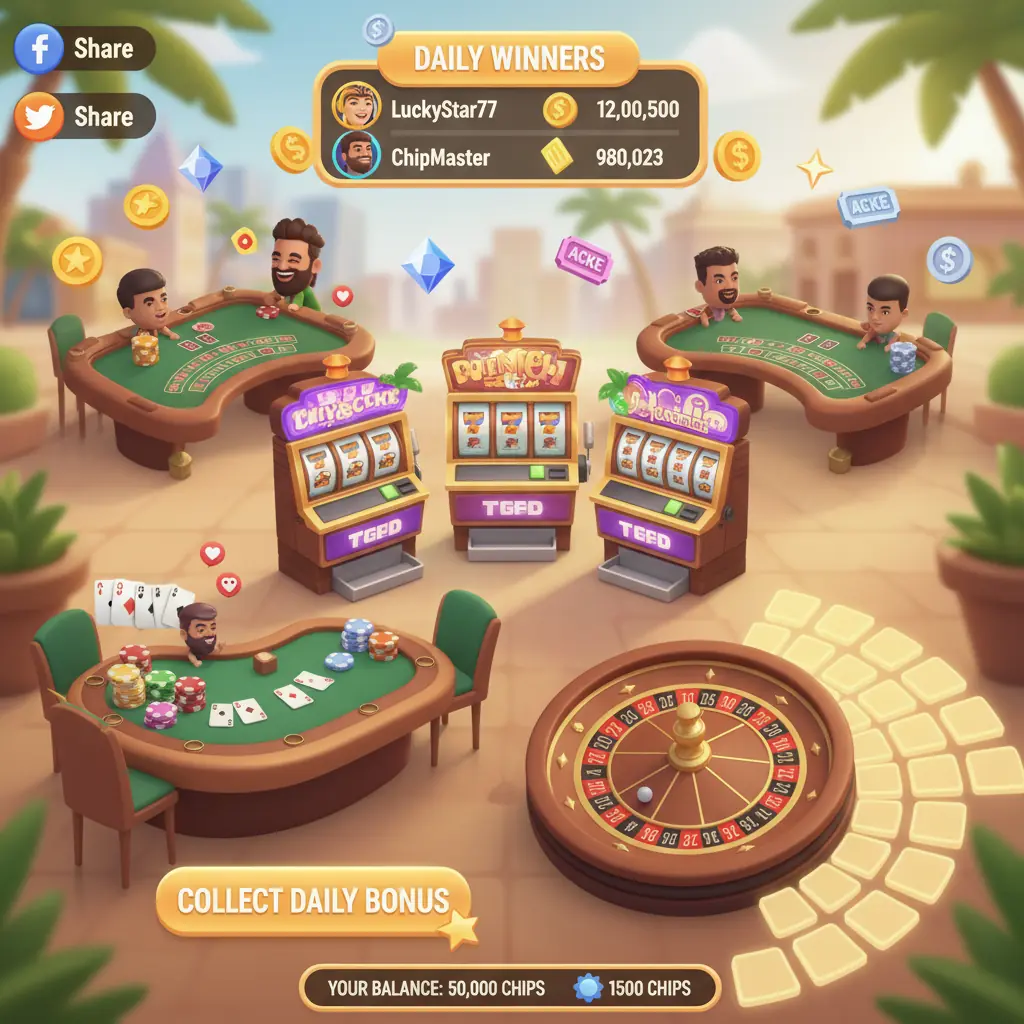
These virtual casinos perfectly mimic traditional casino games like poker, blackjack, roulette, and slot machines. The significant difference? There is no opportunity to win real money and no financial risk involved. Think of popular apps where you spin virtual slot machines or compete in online poker tournaments using only virtual chips. These are prime examples of social casinos.
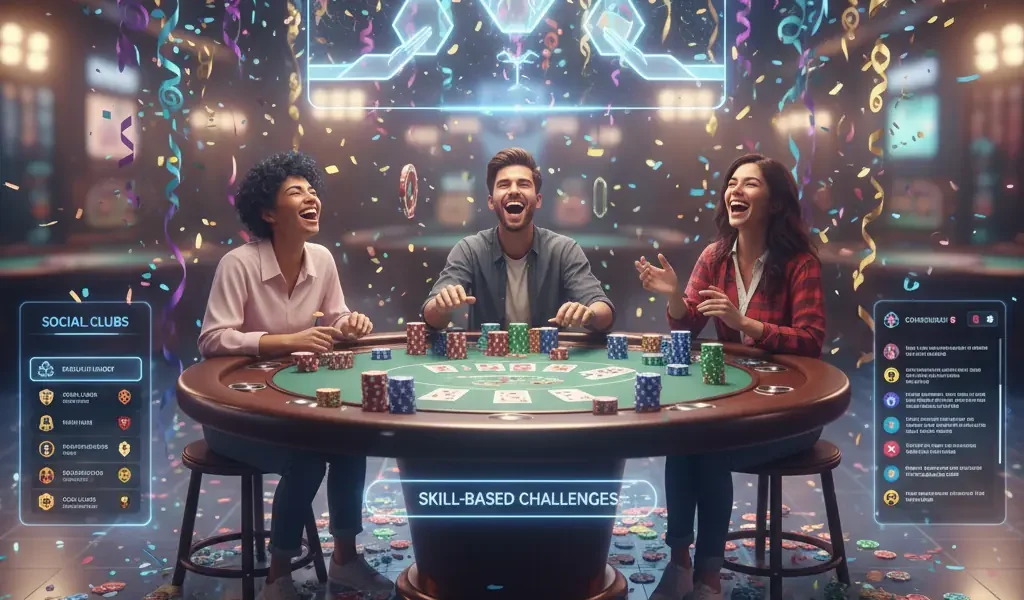
Social interaction is another crucial component. Players can connect with friends, join clubs, send gifts, and compete on leaderboards. This social aspect contributes significantly to the appeal, creating a community-driven experience that goes beyond simply playing casino games online.
In essence, a social casino provides a simulated casino environment where entertainment and social engagement take precedence over real-money gambling.
Social Casinos vs. Online Gambling: Key Differences
The digital landscape of casino-style games can be confusing, especially when navigating the nuances between social casinos and online gambling platforms. Though both offer the thrill of spinning reels and strategic card play, their core mechanics, legal standing, and player experiences diverge significantly.
One of the most critical distinctions lies in the legal realm. Online gambling, involving real money wagering, faces stringent regulations and licensing requirements that vary widely across jurisdictions. Social casinos, conversely, often operate under a different legal framework. Because they typically don’t involve direct real money payouts, they often skirt the stricter gambling laws. This allows them to be accessible in regions where traditional online gambling is prohibited.
Financially, the difference is stark. In online gambling, players deposit and wager real money, with the potential to win actual cash prizes. Social casinos, however, operate on a virtual currency system. Players might purchase additional virtual coins or credits, but these typically cannot be withdrawn as real money. The focus is on entertainment and extended playtime rather than financial gain.
This financial distinction also impacts player motivations. Online gambling attracts individuals seeking the adrenaline rush of potentially lucrative wins. Social casinos, on the other hand, cater to a more casual audience seeking entertainment, social interaction, and a simulated casino experience without the financial risk. The accessibility also differs; social casinos are often readily available through app stores and social media platforms, broadening their reach. They provide a low-pressure environment where players can enjoy familiar casino games for fun, fostering a sense of community and friendly competition rather than high-stakes competition.
The Psychology of Social Casino Engagement
Social casinos have carved out a significant niche in the gaming world, and their appeal boils down to a potent mix of psychological factors. It’s not just about the games; it’s about the experience. The allure of community, the satisfaction of achievement, and the promise of escapism are key drivers of player engagement.
Community Building: More Than Just a Game
Many believe that social casinos thrive on fostering a sense of community. These platforms are brimming with features designed to connect players. In-game chats allow for real-time interaction, where players share tips, celebrate wins, or simply chat. Leaderboards inject a healthy dose of competition, motivating players to climb the ranks and earn bragging rights. The ability to invite friends adds a social layer, transforming solitary gaming into a shared experience. And club systems, often mirroring real-world social groups, provide a sense of belonging and shared identity, further solidifying engagement.
The Thrill of Achievement: Virtual Rewards, Real Satisfaction
Beyond community, achievement plays a crucial role. Social casinos are designed to constantly reward players with a sense of progress. Leveling up unlocks new content, from games to features, providing a tangible sense of advancement. Earning virtual rewards, such as coins, bonuses, and badges, triggers a dopamine rush, reinforcing positive behavior. This feeling of accomplishment can rival the excitement of hitting an actual payout in a traditional casino. Even though the chips are virtual, the feeling of winning and building up a virtual fortune feels oddly valuable.
Escapism: A Low-Pressure Getaway
Finally, social casinos offer a readily accessible form of escapism. Unlike traditional casinos or even real-money online gambling, social casinos provide a low-pressure environment. There’s no real money at stake, so players can relax and enjoy the games without the stress of financial risk. It’s a space to unwind, forget about the daily grind, and immerse oneself in a world of simulated chance. This low-stakes environment is particularly appealing to those seeking a lighthearted and entertaining pastime.
The Business of Fun: How Social Casinos Make Money
Social casinos thrive on a business model known as “freemium,” a blend of “free” and “premium.” Players can jump in and start playing a variety of casino-style games without spending a dime. Initial virtual chips, daily bonuses, and the occasional free spin keep the fun going without requiring an upfront investment. This accessibility is the bedrock of the social casino’s broad appeal.
However, the real money starts rolling in through a clever system of in-app purchases. Players can buy more virtual currency – often called Gold Coins or similar – to keep playing when their free stash runs dry. The psychology behind these purchases is fascinating. Scarcity plays a role; running out of chips creates a sense of urgency. Convenience is another factor; a few quick taps and a small payment get you back in the game instantly. And of course, there’s the desire to progress faster; buying chips can unlock higher-stakes games or special features that would otherwise take longer to access.
Advertising also plays a significant role in the monetization strategies of social casinos. Players might earn extra chips by watching incentivized video ads, opening doors to partnerships and sponsorships with other brands. These advertisements frequently provide players with free virtual currency, which extends their playing time and increases their chances of winning.
Social casinos walk the line between entertainment and opportunity, generating billions in revenue by offering Gold Coins for purchase to extend the fun experience. They might also give away Sweeps Coins, which can be redeemed for cash or prizes. While the vast majority of players never spend a cent, conversion rates – the percentage of players who make a purchase – and ARPU (average revenue per user) can be surprisingly high. Even small conversion rates can lead to big revenue. This is because of the sheer amount of players social casinos brings in, highlighting the efficacy of their freemium model and strategic monetization strategies.
The Allure of Virtual Wins: Why Players Spend Real Money on Fake Chips
The freemium model is the engine driving the social casino world. It thrives on the illusion of free play while subtly encouraging users to purchase virtual currency, most commonly in the form of chips. While the games themselves mimic traditional casino offerings, the stakes are entirely digital. However, this doesn’t stop a significant portion of players from opening their wallets.
The psychology behind these in-app purchases is complex. The fear of losing virtual progress, known as loss aversion, can lead players to buy more chips rather than risk dwindling down to zero. The instant gratification of immediately re-entering the game after a losing streak is another powerful draw. Furthermore, possessing a large stack of chips can confer a sense of social status within the game, fueling competitive spending.
The numbers reveal the freemium model’s effectiveness. While only a small percentage of social casino players, roughly 12%, actually spend money, their contributions are significant. Social casinos demonstrate unusually high Average Revenue Per Paying User (ARPPU). Some reports suggest that it is higher than other mobile game genres. These paying users often make repeated, high-value purchases. This behavior is driven by a cocktail of factors, including chasing losses and maintaining their perceived status within the game. For instance, one might justify buying more chips by thinking of it as a small entertainment expense. Some are motivated by the belief that a larger chip balance will lead to bigger wins.

The Future of Social Casinos: Trends and Innovations
The social casino landscape is dynamic, with emerging trends poised to redefine the player experience. Expect to see innovation on multiple fronts, from immersive technologies to fresh game formats and a growing focus on responsible gaming.
One exciting prospect is the integration of virtual reality (VR) and augmented reality (AR). Imagine stepping into a vibrant casino environment from the comfort of your home, interacting with other players in a realistic, 3D space. VR casinos could offer a heightened sense of immersion and social interaction, blurring the lines between the digital and physical worlds. AR, on the other hand, might overlay casino games onto real-world settings, creating unique and engaging gameplay opportunities.
Another trend is the incorporation of skill-based elements into social casino games. Traditional casino games are largely based on chance, but introducing skill-based challenges can attract a broader audience, including younger players who are accustomed to more interactive and strategic gameplay. This could involve puzzle elements, strategy mini-games, or even competitive esports-style tournaments within the social casino environment.
The regulatory landscape is also evolving. As social casinos become more popular, regulators are paying closer attention to their operations. There is a growing emphasis on responsible gaming practices, such as setting limits on spending and time spent playing. Social casino operators are implementing these measures to protect their players and ensure a safe and enjoyable gaming experience. The global Social Casino Market Size, Share & Demand Report indicates significant growth and evolution, with increasing integration of social features like multiplayer tournaments, live chat, and social clubs. This emphasis on community building enhances player engagement and retention. The market is further segmented by game type, platform, monetization model, and player demographics, reflecting the diverse landscape of social casinos. Ultimately, the future of social casinos hinges on innovation, responsible practices, and the ability to create engaging and community-driven experiences for players worldwide.
Conclusion: Social Gaming, Evolved
Social casinos have carved a unique niche in the online gaming world. They offer a blend of entertainment and social interaction without the financial risk of traditional gambling. Their freemium model and focus on community have proven remarkably effective, driving significant growth within the gaming industry.
While concerns about potential links to gambling remain a topic of discussion, social casinos provide accessible entertainment for a vast audience. As technology advances and player preferences evolve, social casinos are poised to adapt and continue shaping the future of entertainment. Their appeal lies not just in the games themselves, but in the sense of connection and shared experience they foster, suggesting a lasting place in the ever-changing digital landscape.