Responsible Gaming: A Comprehensive Guide
Imagine placing a bet, feeling the rush, and suddenly the website glitches, your winnings vanish, and customer support is nowhere to be found. This isn’t just bad luck; it’s the reality of irresponsible online gambling platforms. The thrill of online casinos has exploded in recent years, but lurking beneath the surface are significant risks to players. Unlicensed sites, unfair games, and predatory practices can quickly turn entertainment into financial and emotional distress.
With years of experience navigating the online gambling landscape, I’ve witnessed firsthand the devastating consequences of irresponsible gaming. That’s why I’m committed to equipping you with the knowledge to protect yourself. This article is your guide to responsible gaming. Learn how to confidently identify and choose safe, responsible gaming sites, ensuring your online gambling experience is enjoyable and secure. We’ll cut through the noise and provide you with actionable steps to safeguard your money and well-being while still savoring the excitement of the game.
What Is Responsible Gaming and Why Does It Matter?
Responsible gaming is a multi-faceted approach to enjoying online games and gambling activities in a safe and controlled manner. It’s about understanding the risks, implementing strategies to mitigate those risks, and ensuring that gaming remains a form of entertainment, not a source of harm.
Why does it matter? Firstly, responsible gaming is crucial for player well-being. Gambling addiction can lead to devastating consequences, including financial ruin, relationship breakdowns, and mental health issues. Responsible gaming initiatives aim to protect individuals from these potential harms by promoting awareness, providing tools for self-control (like deposit limits and self-exclusion options), and offering access to support services.
Secondly, responsible gaming is essential for ethical business practices within the online gaming industry. Operators have a moral obligation to protect their customers, especially those who may be vulnerable to problem gambling. By embracing responsible gaming, companies demonstrate a commitment to social responsibility and build trust with their players.
Finally, responsible gaming is vital for the long-term sustainability of the gaming industry. Regulatory and licensing authorities worldwide are increasingly scrutinizing operators’ responsible gaming practices. Compliance with these standards is often a condition of maintaining a license to operate. Ignoring responsible gaming can lead to hefty fines, license revocation, and reputational damage, threatening the very existence of a gaming business. Therefore, responsible gaming isn’t just a ‘nice-to-have’; it’s a fundamental requirement for a thriving and ethical online gaming ecosystem.
Key Indicators of a Responsible Gaming Site
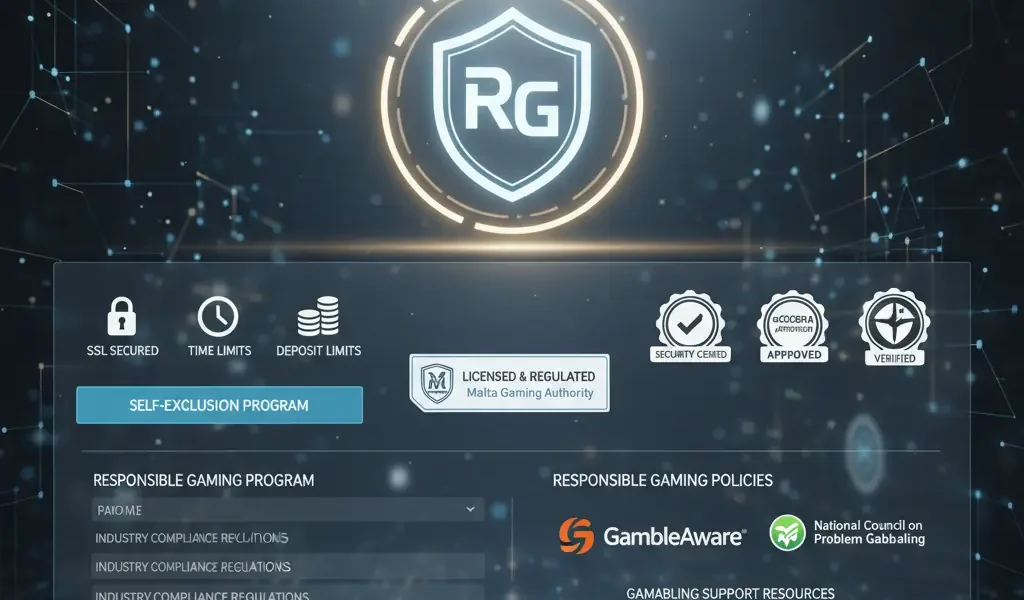
Identifying a responsible gaming site is crucial for a safe and enjoyable experience. Luckily, there are readily observable features that signal a site’s commitment to responsible practices. These indicators, easily confirmed by users, offer a good indication of whether a site operates with integrity and user well-being in mind. Look for clear displays of gambling licenses, site certifications, responsible gaming logos, and indications of SSL encryption. These aren’t just decorative; they represent a commitment to fairness, security, and player protection. A license from a reputable authority means the site is regularly audited for fairness, security, and adherence to responsible gaming protocols. Keep your eyes peeled for seals of approval from recognized organizations, as these demonstrate independent verification of the site’s practices. Encryption, typically indicated by a padlock icon in your browser’s address bar, ensures that your personal and financial information is transmitted securely.
Licensing and Regulation
A gaming license is a fundamental requirement for any legitimate online gambling operation. Reputable sites will prominently display their licensing information, usually in the website footer. Look for a license number and the name of the issuing authority. Some of the most respected licensing bodies include the Malta Gaming Authority (MGA) and the UK Gambling Commission (UKGC). These organizations apply rigorous standards and conduct regular audits to ensure fairness and security. While other licensing options exist, such as Curacao eGaming, be aware that the level of scrutiny and player protection can vary significantly.
Certifications and Audits
Beyond licensing, certifications from independent auditing agencies provide an additional layer of assurance. Organizations like eCOGRA, iTech Labs, and GLI specialize in testing the fairness and security of online gaming platforms. They conduct rigorous testing of Random Number Generators (RNGs) to ensure that game outcomes are truly random and not manipulated. For example, if you see the eCOGRA seal on a gaming site, this means that eCOGRA has tested and certified that the site’s games are fair, the operator is honest, and deposits are secure. This independent verification provides players with confidence that the site operates to a high standard of integrity.
Diving Deeper: Evaluating a Site’s Responsible Gaming Policies
Choosing a platform for online gaming requires careful consideration, and a critical aspect of that evaluation is understanding the site’s responsible gaming policies. Don’t just skim past this section; delve into the details. Reputable sites will have a clearly defined responsible gaming page or section within their terms and conditions. Finding it might take a bit of digging, but it’s worth the effort. Once located, scrutinize the language used. Is it clear, concise, and easy to understand?
A robust responsible gaming policy will explicitly outline the tools and resources available to players. Look for descriptions of features like self-exclusion programs, deposit limits, and reality checks. The policy should also provide clear instructions on how to access and utilize these tools. Furthermore, a responsible site will provide readily accessible information on contacting customer support for assistance with responsible gaming concerns. Don’t hesitate to read the fine print. The devil is often in the details, and a seemingly comprehensive policy might have loopholes or limitations that are only revealed upon closer inspection.
Self-Exclusion Programs
Gambling self-exclusion programs offer a vital lifeline for individuals struggling with problematic gambling habits. These programs allow players to voluntarily ban themselves from a particular online casino or platform. The process typically involves contacting the casino’s customer support and formally requesting self-exclusion. The duration of the ban can vary, ranging from a few months to several years, and in some cases, even permanently. Once enrolled, the player will be blocked from accessing their account, depositing funds, or placing bets. Violating a self-exclusion agreement can have serious consequences, including forfeiture of winnings and potential legal repercussions. Effective programs often include proactive measures, such as blocking marketing materials and providing referrals to gambling addiction help resources.
Setting Limits and Reality Checks
One of the most practical responsible gaming tools available is the ability to set personal limits. Most reputable platforms allow players to define deposit limits online, controlling the amount of money they can deposit into their account within a specific timeframe (daily, weekly, monthly). Loss limits gambling operate similarly, restricting the amount of money a player can lose over a given period. Wagering limits offer another layer of control, capping the total amount a player can wager. Time limits online are also crucial, enabling players to set a maximum amount of time they can spend gambling per session. Reality check gambling features provide periodic pop-up reminders that display the amount of time and money spent during a session. Utilizing these tools proactively can help players maintain control over their gambling habits and prevent potential problems.
Tools and Features Responsible Gaming Sites Offer
Reputable online gaming platforms prioritize player well-being by offering a suite of responsible gaming tools. These features empower users to maintain control over their gambling habits and prevent potential harm.
Betting Limits: A cornerstone of responsible gaming is the ability to set financial boundaries. Players can establish deposit limits, restricting the amount of money they can add to their account within a specific timeframe (daily, weekly, or monthly). Loss limits allow users to define the maximum amount they are willing to lose. Wagering limits cap the total amount of money a user can wager over a set period.
Session Reminders: Time can fly when engaged in online gaming. Session reminders (also known as reality checks) periodically display on-screen, informing players of the duration of their current session. These prompts encourage players to take breaks and reassess their gaming activity.
Time-Out Periods: When players feel the need to step away from gaming temporarily, time-out periods offer a solution. These self-imposed breaks can range from a few hours to several days, preventing access to the platform and allowing players to regain perspective.
Self-Assessment Gambling: Responsible gaming sites often provide self-assessment questionnaires. These tools present a series of questions designed to help players evaluate their gambling behavior and identify potential problems. The results can guide individuals toward seeking further support if needed.
Red Flags: Signs of an Irresponsible Gaming Site
Navigating the world of online gaming can be exciting, but it’s crucial to be aware of irresponsible gaming sites. These platforms prioritize profit over player well-being and can lead to devastating consequences. Recognizing the red flags is the first step in protecting yourself from predatory practices and gambling addiction risks.
One of the most telling irresponsible gaming signs is the lack of clear licensing information. Reputable online casinos prominently display their licensing details, allowing players to verify their legitimacy with the appropriate regulatory body. If a site hides this information or provides vague details, proceed with caution. Imagine a player, lured in by a flashy welcome bonus, only to discover the casino operates without a license, leaving them with no recourse when their winnings are unfairly withheld.
Aggressive marketing tactics are another gambling red flag. Be wary of sites that bombard you with constant promotional emails, enticing offers, and pressure to deposit more funds. These tactics often target vulnerable individuals and encourage reckless gambling behavior. For instance, picture a user receiving multiple daily emails promising “guaranteed wins” if they deposit within the next hour – a clear attempt to exploit impulsive tendencies.
Difficulty withdrawing funds is a particularly alarming sign. Irresponsible sites may employ various tactics to delay or deny payouts, hoping players will eventually gamble away their winnings. Excuses like “technical issues” or “verification delays” are common. Consider the frustration of a player who wins a substantial amount, only to face endless bureaucratic hurdles when attempting to cash out.
The absence of responsible gaming tools is a significant oversight. Legitimate platforms offer features like deposit limits, self-exclusion options, and reality checks to help players manage their gambling habits. A site that lacks these tools demonstrates a disregard for player well-being. A gambler struggling with addiction might find themselves trapped, unable to set limits or take a break, on a site with no responsible gaming features.
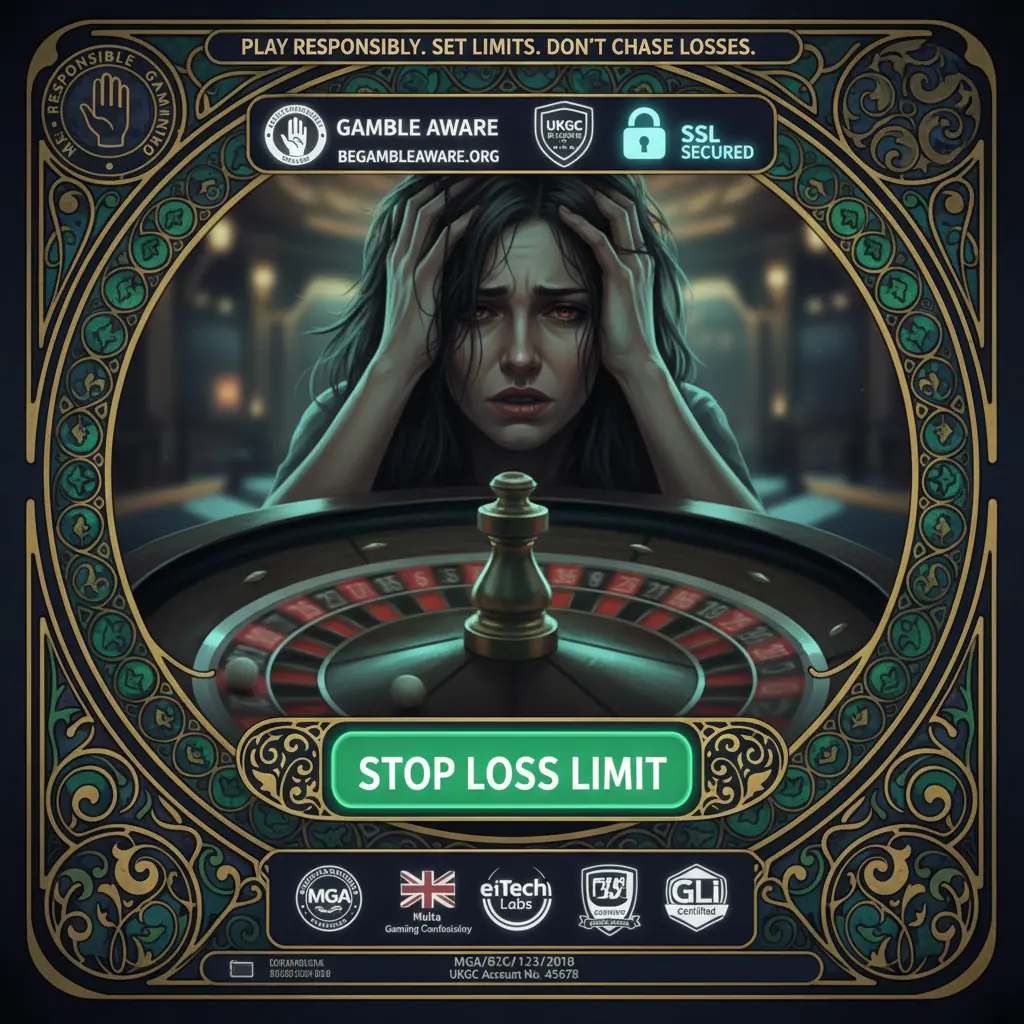
Finally, be extremely cautious of sites that encourage chasing losses. This predatory gambling practice preys on the desperation of losing players, urging them to deposit more funds in an attempt to recoup their losses. This can quickly spiral into a dangerous cycle of debt and despair. I once encountered a site that prominently displayed messages like “Don’t give up! Your luck is about to change!” after a losing streak – a clear red flag indicating a lack of concern for responsible gaming.

What to Do If You Suspect a Site Isn’t Responsible
If a gambling site’s practices seem questionable, taking action can protect yourself and others. Reporting concerns helps ensure fair play and responsible conduct within the online gaming community.
The first step is to gather evidence. Document specific instances of suspected misconduct, such as unfair game outcomes, misleading promotions, or refusal to honor payouts. Accurate records strengthen your case when filing a complaint.
Next, identify the site’s licensing authority or regulatory body. This information is often found in the website’s footer or “About Us” section. Contact the authority and file a formal complaint, providing all supporting evidence. These regulatory bodies are in place to oversee the fairness and legitimacy of operation of gambling sites.
If you or someone you know is struggling with gambling addiction, numerous resources are available. Organizations specializing in gambling addiction help can provide guidance and support. Sharing your experiences can also create awareness and help others recognize the signs of problem gambling.
Remember, seeking professional help is a sign of strength. Therapists and counselors can offer personalized strategies for managing and overcoming gambling addiction. Don’t hesitate to reach out if you need assistance; many resources are available to promote responsible gambling.
Staying Informed: Resources and Further Learning
Remaining informed about responsible gambling isn’t a one-time event; it’s an ongoing commitment. The landscape of online gaming is constantly evolving, with new technologies, regulations, and research emerging regularly. To stay ahead of the curve and ensure you’re equipped to protect yourself and others, it’s crucial to tap into reliable resources for continuous learning.
Several reputable organizations offer invaluable support and education. The National Council on Problem Gambling (NCPG) provides resources, advocacy, and support for individuals and families affected by problem gambling. GambleAware is another excellent source, offering information and support to promote responsible gambling and minimize gambling-related harm. These organizations offer a wealth of knowledge, self-assessment tools, and access to professional help.
Keeping abreast of online gaming news and regulatory updates is equally important. Industry news sources provide insights into emerging trends, technological advancements, and shifts in responsible gaming practices. Regulatory websites offer crucial information about gambling laws, licensing requirements, and compliance standards. By staying informed about these developments, you can better understand the context in which online gaming operates and identify potential risks.
Responsible Gaming Advocacy groups also play a vital role in promoting responsible gambling practices. These organizations work to raise awareness, advocate for policy changes, and hold the gaming industry accountable. By supporting their efforts, you can contribute to a safer and more responsible online gaming environment.
The American Compliance Group Certification Services (ACGCS) significantly contributes to responsible gaming by offering certifications in the online gaming ecosystem. These certifications validate professionals’ knowledge and commitment to responsible gambling practices, promoting higher standards of conduct within the industry. Individuals interested in enhancing their expertise and credibility in responsible gaming can explore the certification programs offered at ACGCS. This proactive approach ensures that professionals are well-equipped to navigate the complexities of responsible gaming and contribute to a safer online environment.
Conclusion
Navigating the world of online casinos requires a blend of excitement and caution. Remember to prioritize verifying licenses and thoroughly understanding platform policies – it is the foundation of a secure experience. Embrace the tools available to manage your gameplay, such as deposit limits and self-exclusion options; these are your allies in maintaining control. Keep a vigilant eye out for the warning signs of problem gambling, and don’t hesitate to seek support if needed.
By making informed choices and adopting responsible habits, individuals can significantly increase safety, minimize risks, and take control over their gambling future. Share this knowledge with your friends and family. A responsible approach ensures that the thrill of online casinos remains a source of entertainment, not a cause for concern.