Casino Streaming: Entertainment or Addiction Risk? | Responsible Gambling
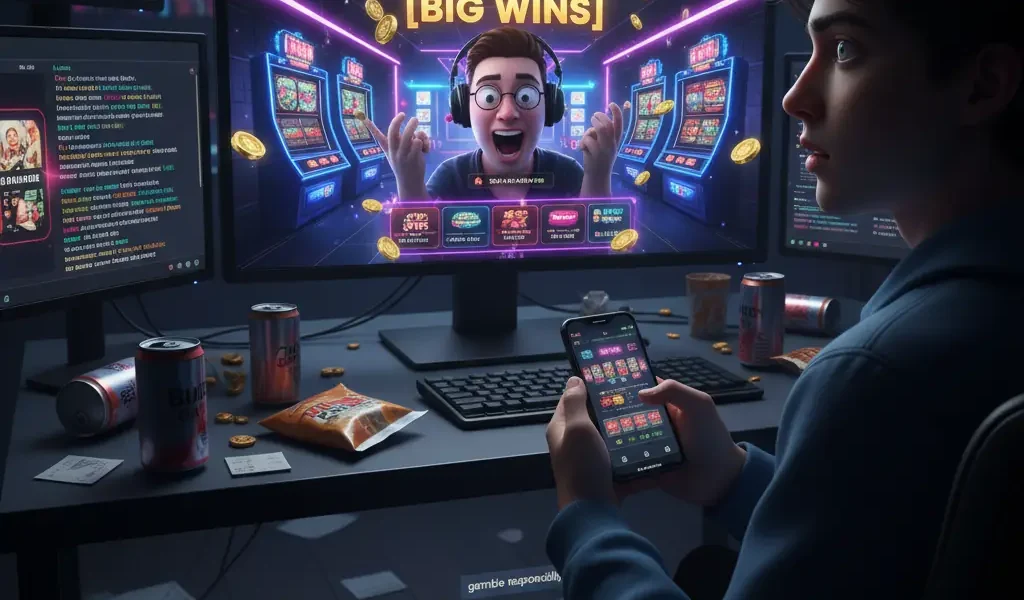
Casino streaming has exploded in popularity in recent years, with viewership numbers up by an astonishing 40% in the last year alone. This surge raises a critical question: is watching someone gamble online harmless entertainment, or could it be a catalyst for gambling addiction? The flashing lights, the big wins, and the charismatic personalities of the streamers create a potent cocktail, but what impact does it have on viewers?
The world of online gambling, already a complex landscape, is further complicated by the rise of these casino streams. On one hand, they offer a glimpse into a world many might never experience firsthand. On the other, they normalize gambling and can potentially desensitize viewers to the financial risks involved. The lure of easy money, amplified by the streamer’s persona, can be incredibly persuasive.
This article aims to explore the impact of casino streaming on responsible gambling. By examining the psychological triggers at play, the role of influencer marketing, and the potential dangers for vulnerable individuals, we can gain a clearer understanding of this phenomenon. Furthermore, we will offer actionable insights for both viewers and streamers to promote a safer online gambling environment. Having spent several years researching the intersection of online behavior and gambling trends, this article provides a grounded perspective on the realities of casino streaming and its effects.
The Rise of Casino Streaming: A New Entertainment Frontier?
Defining Casino Streaming: What It Is and How It Works
Casino streaming is a relatively new form of online entertainment where individuals broadcast themselves playing casino games in real-time. Think of it as reality TV meets online gambling. These streamers typically engage with their audience through chat, providing commentary on their gameplay, and reacting to wins and losses. A typical casino stream will involve the streamer playing slots, roulette, blackjack, or other casino games, all while interacting with viewers who are watching and commenting live. The appeal lies in the streamer’s personality, the thrill of the gambling, and the interactive community dynamic. The streamer acts like a gambling influencer.

Understanding the Psychology: Why Are Viewers Watching?
The surging popularity of casino streams is more than just a fleeting trend; it’s a phenomenon deeply rooted in human psychology. While it seems paradoxical to watch someone else gamble, millions are tuning in, captivated by the unfolding drama. A significant factor is the development of parasocial relationships with streamers. These one-sided relationships mimic real-life connections, where viewers feel a sense of intimacy and friendship with the content creator. Streamers often cultivate this by sharing personal anecdotes, responding to chat messages, and creating a sense of community. Unwittingly, I once found myself deeply engrossed in a cooking stream. The chef’s friendly demeanor and simple recipes made me feel like I was learning from a friend. I started replicating dishes, feeling a strange sense of connection despite never interacting with the host directly. Only later did I realize I’d fallen into the trap of a parasocial dynamic, where my emotional investment was entirely unilateral.
The appeal of casino streams also taps into the psychology of gambling itself. The anticipation, the risk, and the potential reward create a powerful cocktail of emotions that viewers can experience vicariously. For some, it’s a safe way to engage with the thrill of gambling without the financial consequences. However, it’s also essential to recognize that these streams can act as gambling triggers, particularly for individuals vulnerable to addiction. The strategies employed by streamers, such as showcasing big wins and downplaying losses, can create a distorted perception of gambling.
The Role of Excitement and Vicarious Experience
Vicarious gambling provides the thrill without the risk. Viewers experience the highs and lows, the tension of a big bet, and the excitement of a potential win – all from the safety of their screens. The suspense is a major draw. The attraction isn’t necessarily about learning how to gamble, but feeling the thrill of it.
The Dark Side of the Stream: Risks and Concerns
Casino streaming, while seemingly offering entertainment and a glimpse into the high-roller lifestyle, harbors a darker side. The potential for negative impacts is significant, particularly concerning the promotion of gambling addiction, the normalization of risky behavior, and the exposure of young audiences to content that is fundamentally unsuitable for their age. These streams often present a skewed view of gambling, emphasizing wins while conveniently glossing over the inevitable losses that form the core of the gambling experience. The flashing lights and enthusiastic commentary create an illusion of easy money, a dangerous message for viewers who may not fully grasp the inherent risks.
The allure of quick riches, amplified by the streamer’s personality and perceived success, can be especially potent for individuals prone to addictive behaviors. Gambling addiction is a serious issue, capable of devastating lives and families. The constant exposure to gambling content, coupled with the social pressure to participate, can act as a powerful trigger, pushing vulnerable viewers toward harmful gambling habits. Moreover, the ease with which online gambling platforms can be accessed exacerbates the problem, creating a seamless transition from watching to wagering.
Casino streams often present gambling as a fun and exciting activity, effectively normalizing risky behavior. Losses are downplayed or quickly brushed aside, while wins are celebrated with exaggerated enthusiasm. This skewed portrayal can desensitize viewers to the real consequences of gambling, leading them to underestimate the potential for financial ruin and personal hardship. It’s easy to get caught up in the hype and forget that gambling is, at its core, a business designed to profit from its participants. The streamer, whether consciously or not, becomes a walking advertisement for the casino, blurring the line between entertainment and unethical advertising.
Impact on Younger Audiences
Young people are particularly vulnerable to the influence of casino streams. Their developing brains are more susceptible to the persuasive tactics employed by streamers, and they may lack the critical thinking skills necessary to discern the reality behind the carefully curated image. Exposure to gambling at a young age can normalize the activity and increase the likelihood of developing gambling problems later in life. The accessibility of online platforms and the anonymity they provide further compound the risk, making it easier for young people to engage in gambling without parental knowledge or supervision.
Regulation and Responsibility: Are Current Measures Enough?
The surge in casino streaming has prompted questions about the effectiveness of current gambling regulations and the ethical responsibilities of all involved parties. While some platforms have implemented policies to address the issue, a key question remains: are these measures truly sufficient to protect vulnerable viewers?
Current regulations and guidelines vary across streaming platforms. For example, Twitch, a major player in the streaming world, has implemented policies around gambling content, including a ban on streams featuring specific gambling sites that aren’t licensed in certain jurisdictions. However, these restrictions often face criticism for being narrowly focused and potentially circumvented by streamers finding loopholes or promoting alternative, less regulated platforms. This partial ban affected how people stream casino and what casinos they show. It is like put a band-aid in a open wound. This situation is similar to what is described in the article of theconversation.com, where the appeal of watching influencers gamble can normalize risky behaviors, especially among younger audiences. The article highlights how the accessibility and entertainment value of these streams can blur the lines between harmless fun and potentially harmful addiction.
Streamers themselves have a responsibility to promote responsible gambling practices. This includes providing clear disclaimers about the risks involved, promoting resources for problem gambling, and avoiding the glorification of excessive betting. Streaming platforms have a duty to implement age verification measures, moderate content to remove harmful or misleading information, and enforce their own gambling policies consistently. Gambling operators need to ensure that their advertising is not targeting vulnerable audiences, is transparent about the odds of winning, and includes prominent responsible gambling messaging. But advertising restriction is easily bypassed by using for example “stake casino referral code” and this can be very misleading because the user can think it is about “stacking”.
The Role of Streaming Platforms and Regulatory Bodies
Streaming platforms and regulatory bodies have a crucial role in promoting responsible gambling. Platforms can leverage technology to detect and flag potentially harmful content, implement stricter age verification processes, collaborate with responsible gambling organizations, and invest in educational resources for streamers and viewers alike. Regulatory bodies can establish clear and enforceable guidelines for gambling advertising on streaming platforms, conduct regular audits to ensure compliance, and impose penalties for violations. Moreover, the phenomenon of “interpassive gambling,” as explored in a study on erudit.org, highlights the complexities of modern gambling experiences, where individuals may engage vicariously through streamers, potentially blurring the lines between active participation and passive observation. This underscores the need for a comprehensive approach to regulation that addresses not only direct gambling activity but also the indirect influences of streaming content. Only through a multi-faceted and collaborative approach can we hope to mitigate the risks associated with casino streaming and protect audiences from potential harm.
Responsible Gambling in the Age of Streaming: A Path Forward
Promoting Healthy Viewing Habits
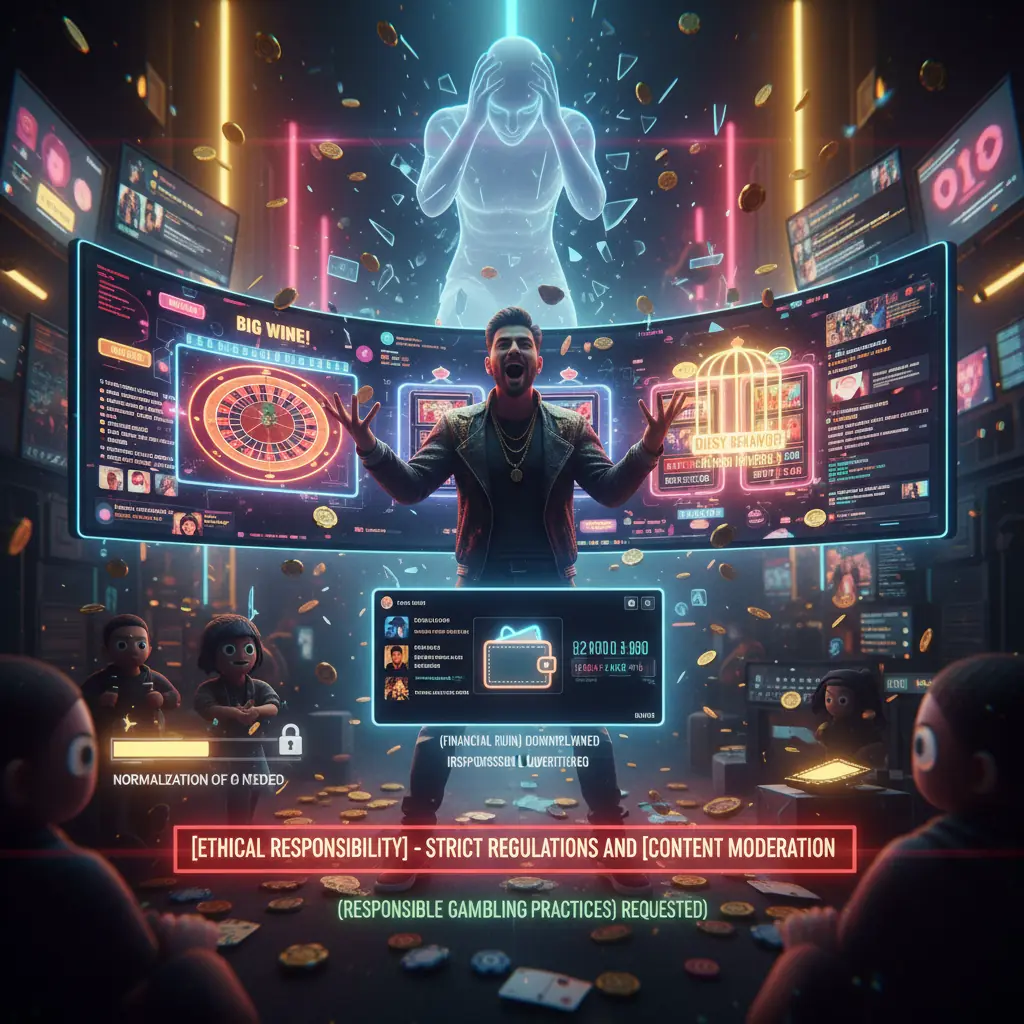
Streaming platforms have exploded in popularity, offering unprecedented access to casino games and gambling content. While this accessibility can be entertaining, it also introduces gambling to a potentially vulnerable audience, blurring the lines between entertainment and risky behavior. To encourage a safer streaming environment, responsible gambling strategies must be prioritized. The rise of streaming has transformed the gambling landscape, creating both opportunities and challenges. The key is to enjoy the thrill responsibly, and for platforms to actively facilitate that.
Responsible gambling starts with promoting healthy viewing habits. It’s incredibly easy to lose track of time watching streamers, so setting viewing limits is crucial. Treat it like any other form of entertainment; decide how long you’ll watch beforehand and stick to it. Taking frequent breaks is also vital. Step away from the screen, stretch, and refocus your attention. This prevents prolonged exposure and helps maintain a balanced perspective. Avoid watching streams when you’re feeling stressed, emotional, or vulnerable as this can impair judgment and increase the likelihood of impulsive decisions. Remember, gambling streams should be viewed as entertainment, not as a substitute for social interaction or coping mechanisms.
Education and awareness campaigns play a crucial role in promoting responsible gambling. These initiatives should focus on educating viewers about the risks associated with gambling, recognizing the signs of problem gambling, and accessing available resources for support. Streamers i should incorporate responsible gambling messaging into their content, promoting awareness and encouraging viewers to gamble responsibly. This could include displaying disclaimers, providing links to responsible gambling resources, and sharing personal experiences related to responsible gambling.
Stricter regulations are necessary to protect viewers from the potential harms of gambling streams. Age verification measures should be implemented to prevent minors from accessing gambling content. Advertising bans on gambling products and services should be considered to reduce exposure and minimize the normalization of gambling. Responsible gambling messaging should be mandated on all gambling streams, providing clear and concise information about the risks of gambling and how to gamble responsibly. By implementing these stricter regulations, we can create a safer streaming environment and protect vulnerable viewers from the potential harms of gambling.
Conclusion
Casino streaming offers entertainment and community, but it’s essential to acknowledge its inherent risks. This exploration has highlighted potential dangers, from the normalization of gambling to the increased risk of gambling addiction, particularly among vulnerable viewers. The blend of entertainment and gambling creates a powerful, sometimes dangerous, cocktail, worsened by the accessibility and interactive nature of online platforms.
Moving forward requires a multi-faceted approach. Streamers must prioritize responsible gambling content, incorporating disclaimers, promoting awareness, and understanding their influence. Platforms should enforce stricter regulations, like age verification measures. Operators should support research into the effects of casino streaming on gambling behavior and develop tools for early detection and intervention. The cravings for watching gambling streams can be intense, and understanding these cravings is crucial for preventing problematic gambling behaviors.
The Wu’s study underscores the connection between gambling exposure and increased participation. By taking collective responsibility, we can build a safer online environment. Education empowers viewers to make rational decision and protect themselves, while responsible practices from streamers and platforms foster a sustainable and ethical streaming ecosystem. The future of casino streaming hinges on a commitment to responsible engagement. Let’s work together to ensure entertainment doesn’t come at the expense of well-being.